


Rotting food is supercharging the climate crisis. Here’s what to do about that.
Ending the food waste epidemic is both a food security imperative and a climate necessity, because rotting food produces the powerful greenhouse gas methane.

ISCF GLOBAL
Institute of Sustainability & Carbon Footprint LLC
Latest verified news, UN-system publications, events, conferences and videos first — followed by the historical timeline.
Official UN-system stories, events and conference coverage mapped to this Goal.
Ending the food waste epidemic is both a food security imperative and a climate necessity, because rotting food produces the powerful greenhouse gas methane.
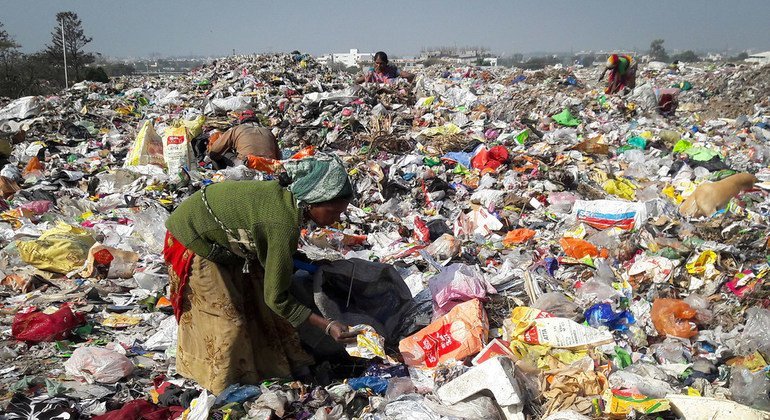

Rotting food waste is causing up to 10 per cent of total global greenhouse gas emissions – five times more than the entire aviation sector, the UN’s environment agency warned this week.
Stepping up a circular economy offers the European Union the potential for significant positive impacts on Europe’s environment and poses an untapped and strategic economic opportunity in terms of better access to materials and the creation of new businesses. Three new assessments on circularity, published today by the European Environment Agency (EEA),…
Ending the food waste epidemic is both a food security imperative and a climate necessity, because rotting food produces the powerful greenhouse gas methane.
Stepping up a circular economy offers the European Union the potential for significant positive impacts on Europe’s environment and poses an untapped and strategic economic opportunity in terms of better access to materials and the creation of new businesses. Three new assessments on circularity, published today by the European Environment Agency (EEA),…
Ending the food waste epidemic is both a food security imperative and a climate necessity, because rotting food produces the powerful greenhouse gas methane.
Stepping up a circular economy offers the European Union the potential for significant positive impacts on Europe’s environment and poses an untapped and strategic economic opportunity in terms of better access to materials and the creation of new businesses. Three new assessments on circularity, published today by the European Environment Agency (EEA),…
Ending the food waste epidemic is both a food security imperative and a climate necessity, because rotting food produces the powerful greenhouse gas methane.
Stepping up a circular economy offers the European Union the potential for significant positive impacts on Europe’s environment and poses an untapped and strategic economic opportunity in terms of better access to materials and the creation of new businesses. Three new assessments on circularity, published today by the European Environment Agency (EEA),…